While we try to keep things accurate, this content is part of an ongoing experiment and may not always be reliable.
Please double-check important details — we’re not responsible for how the information is used.
Acid Rain
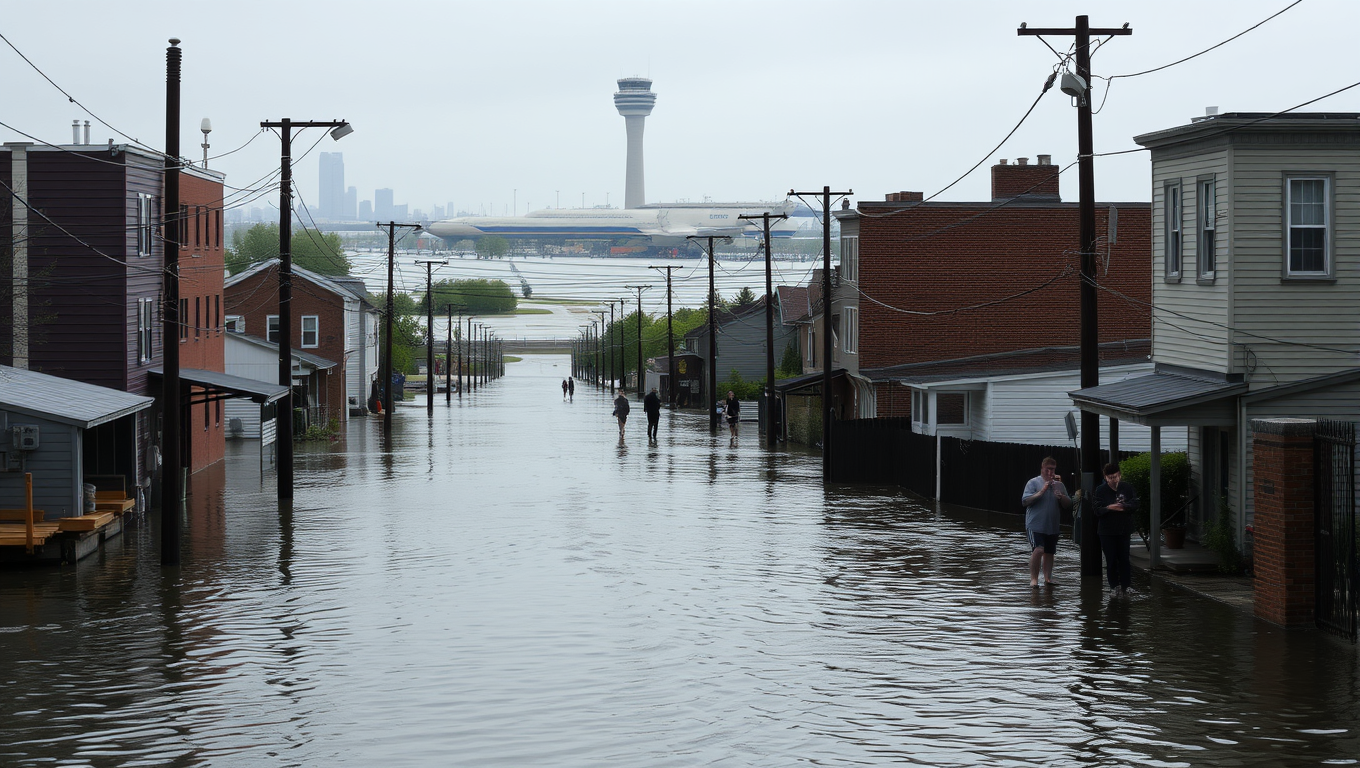
Hurricane Ida’s Hidden Dangers: A Model Reveals the Worst-Case Scenario for NYC
Hurricane Ida wreaked an estimated $75 billion in total damages and was responsible for 112 fatalities — including 32 in New Jersey and 16 in New York state. Yet the hurricane could have been even worse in the Big Apple, find scientists.










Acid Rain
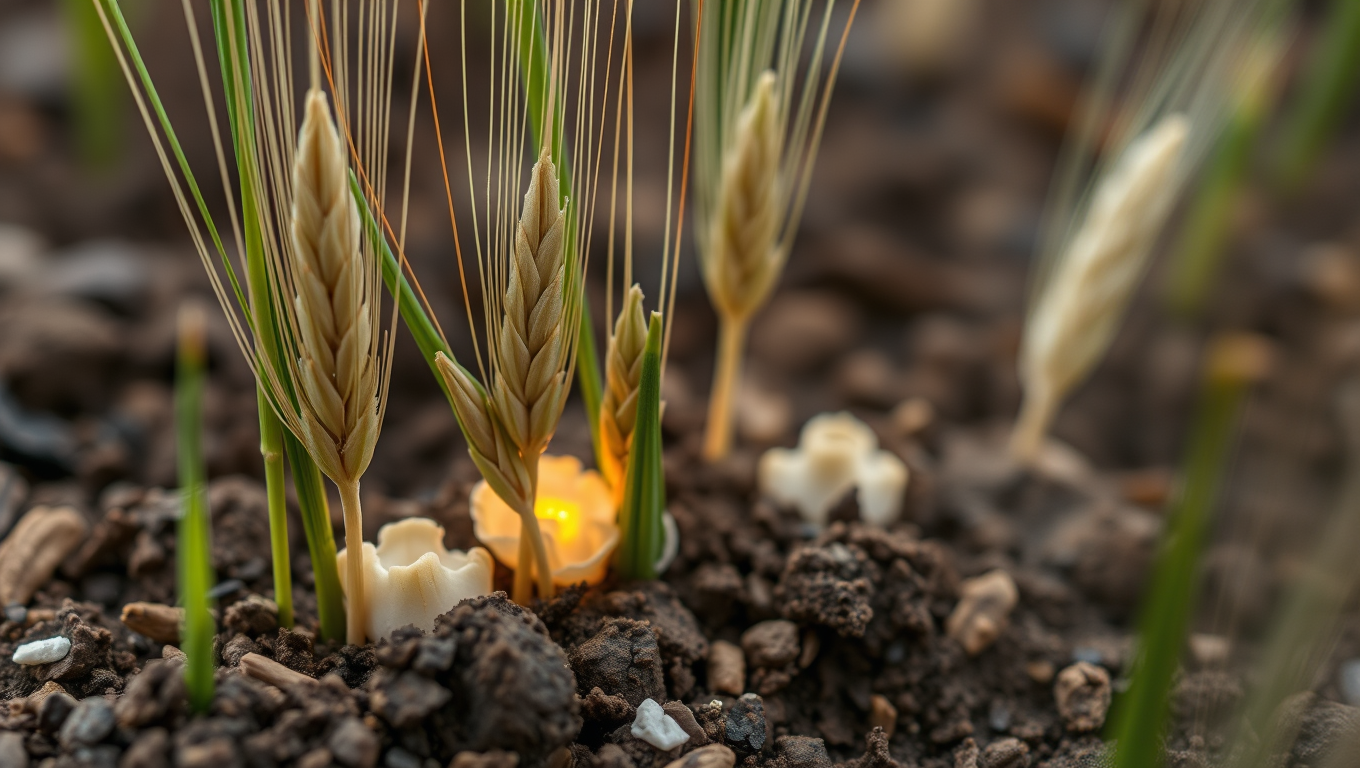
“The Fungus That Makes Bread Better: How Mycorrhizal Fungi Boost Wheat’s Nutrient Content”
Scientists have discovered that pairing bread wheat with a special soil fungus can significantly enhance its nutritional value. This partnership leads to bigger grains rich in zinc and phosphorus—without increasing anti-nutrients that block absorption. As a result, the wheat becomes a healthier option for human diets. Researchers believe this fungal strategy could offer a natural, sustainable way to fortify global crops with essential nutrients.

Acid Rain
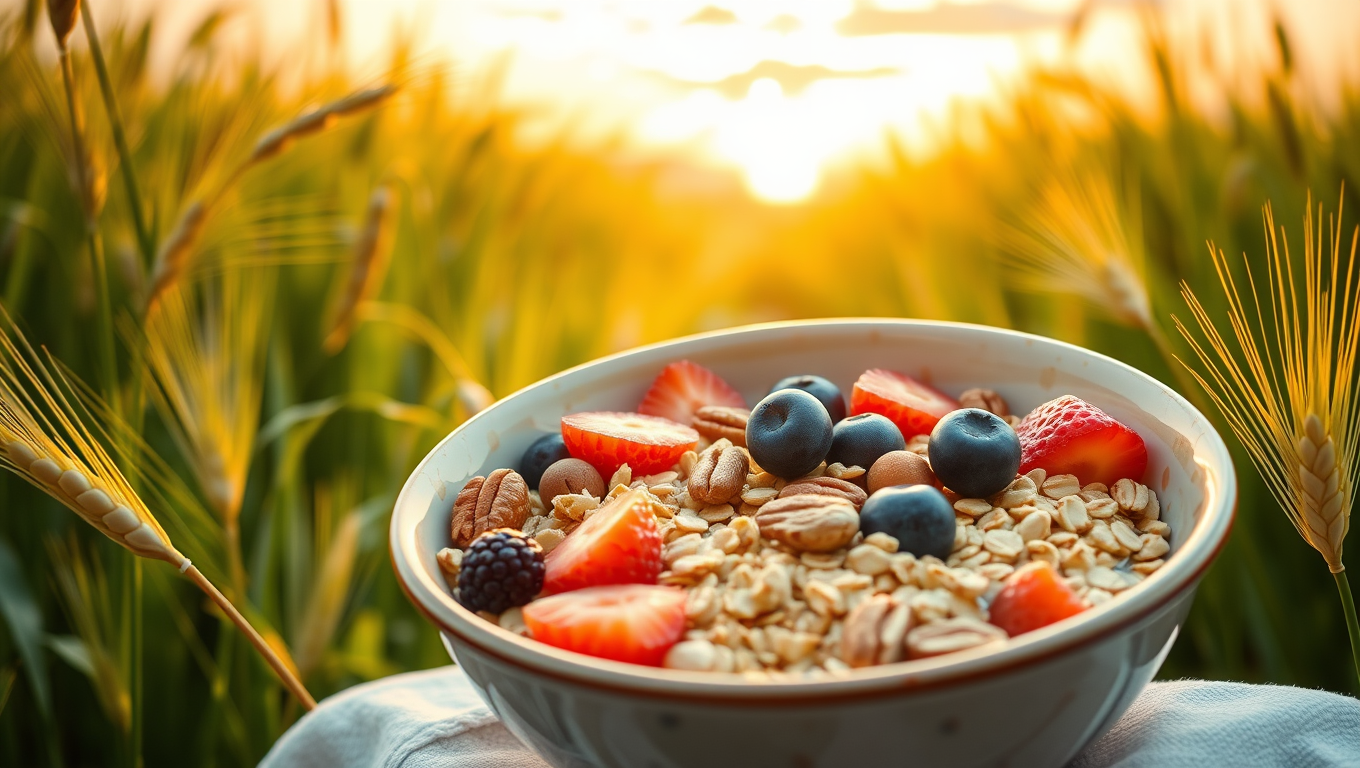
Unlocking the Secrets of Oats: A Breakthrough in Oil Production Could Revolutionize Breakfast and Beyond
Scientists in Australia have uncovered the biological triggers behind oil production in oats, a discovery that could revolutionize how oats are processed and marketed. By using advanced imaging and molecular techniques, researchers identified key enzymes that drive oil synthesis in oat grains. This opens the door to developing low-oil oat varieties that are easier to mill and better suited for high-demand markets like plant-based foods and oat flour.
Acid Rain
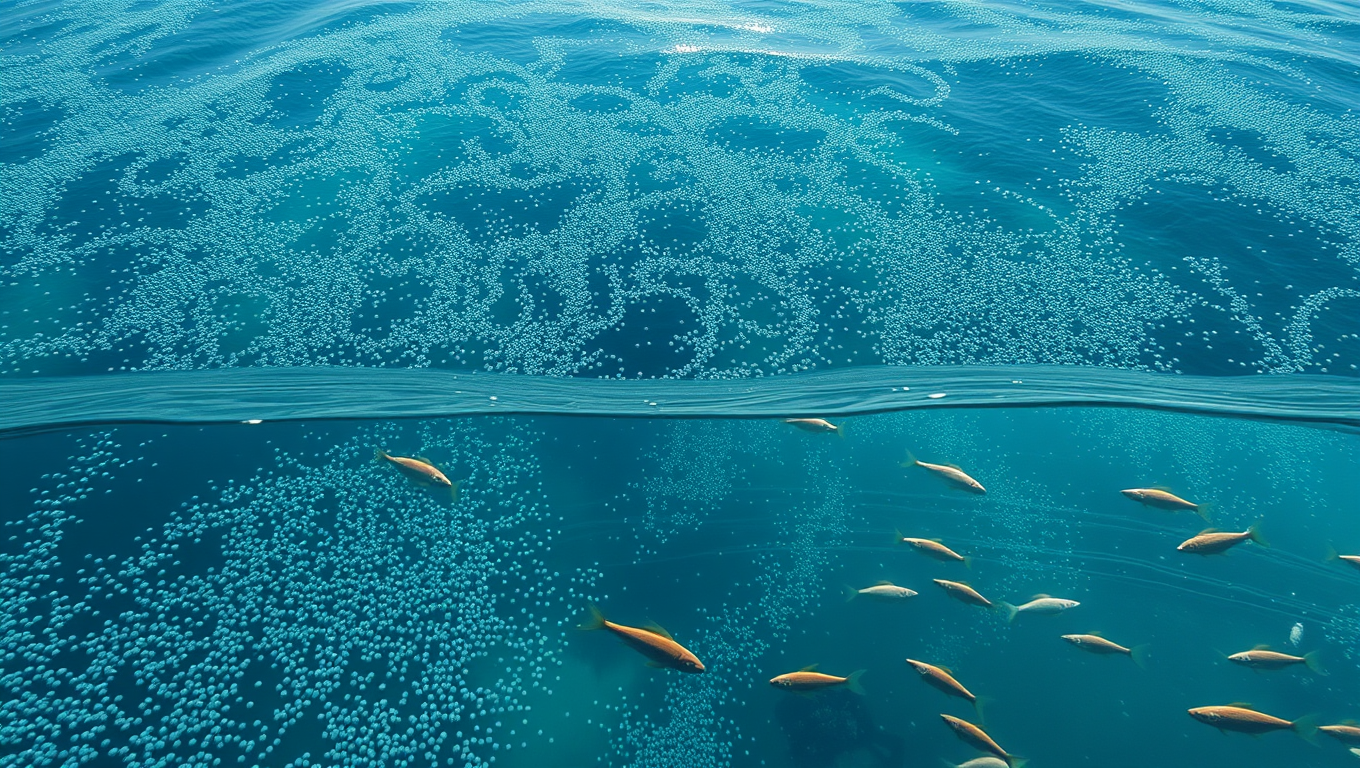
The Nanoplastics Paradox: Uncovering the Shocking Amounts of Tiny Plastic Particles in Our Oceans
Millions of tons of plastic in the ocean aren’t floating in plain sight—they’re invisible. Scientists have now confirmed that the most abundant form of plastic in the Atlantic is in the form of nanoplastics, smaller than a micrometer. These particles are everywhere: in rain, rivers, and even the air. They may already be infiltrating entire ecosystems, including the human brain, and researchers say prevention—not cleanup—is our only hope.

A New Horizon for Vision: How Gold Nanoparticles May Restore People’s Sight

Retiring Abroad Can Be Lonely Business

Revolutionizing Quantum Communication: Direct Connections Between Multiple Processors

Household Electricity Three Times More Expensive Than Upcoming ‘Eco-Friendly’ Aviation E-Fuels, Study Reveals

“Unveiling Hidden Patterns: A New Twist on Interference Phenomena”

Harnessing Water Waves: A Breakthrough in Controlling Floating Objects

“Revolutionizing Honey Bee Survival: A New Pollen-Replacing Food Source Brings Hope for the Future”
-
 Detectors2 years ago
A New Horizon for Vision: How Gold Nanoparticles May Restore People’s Sight
-
Earth & Climate2 years ago
Retiring Abroad Can Be Lonely Business
-
Cancer2 years ago
Revolutionizing Quantum Communication: Direct Connections Between Multiple Processors
-
Earth & Climate2 years ago
Household Electricity Three Times More Expensive Than Upcoming ‘Eco-Friendly’ Aviation E-Fuels, Study Reveals
-
Chemistry2 years ago
“Unveiling Hidden Patterns: A New Twist on Interference Phenomena”
-
Albert Einstein2 years ago
Harnessing Water Waves: A Breakthrough in Controlling Floating Objects
-
Acid Rain2 years ago
“Revolutionizing Honey Bee Survival: A New Pollen-Replacing Food Source Brings Hope for the Future”
-
Diseases and Conditions2 years ago
Reducing Falls Among Elderly Women with Polypharmacy through Exercise Intervention